Cezanne's Gravity
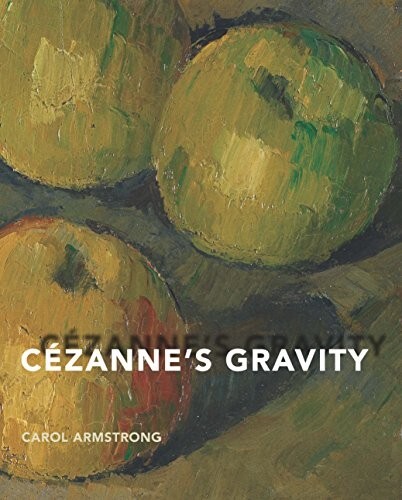
A transformative study, freeing the artist from outdated art historical narratives and revealing his work as newly strange again Cezanne's Gravity is an ambitious reassessment of the paintings of Paul Cezanne (1839–1906). Whereas previous studies have often looked at the artist's work for its influence on his successors and on the development of abstraction, Carol Armstrong untethers it from this timeline, examining Cezanne's painting as a phenomenological and intellectual endeavor. Armstrong uses an interdisciplinary approach to analyze Cezanne's work, pairing the painter with artists and thinkers who came after him, including Roger Fry, Virginia Woolf, Albert Einstein, Maurice Merleau-Ponty, Rainer Maria Rilke, R. D. Laing, and Helen Frankenthaler. Through these pairings, Armstrong addresses diverse subjects that illuminate Cezanne's painting, from the nonlinear narratives of modernist literature and the ways in which space and time act on objects, to color sensation and the schizophrenic mind.